October 9, 2026

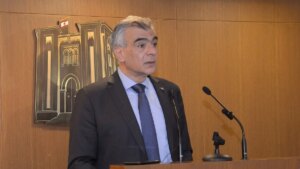
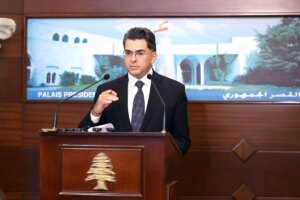
The electricity crisis in Lebanon returns to the forefront of political and parliamentary debate, amid mounting criticism of the way the sector is managed and the conflict of interests surrounding it, at a time when a member of the “Development and Liberation” bloc, MP Qassem Hashem, blamed the continuation of the crisis on what he described as “disagreements” and the “guardianship authority” controlling the course of the file.
Hashem stressed that the electricity crisis “cannot end completely” as long as political differences and tensions remain part of the management of the sector, considering that promises to provide electricity to citizens will remain out of reach unless there is a radical change in the way of dealing with this vital issue.
He stressed that the ongoing debate over the electricity sector requires the government to take control and take appropriate decisions, instead of keeping the issue hostage to discrepancies and narrow interests, pointing out that the oversight role of the House of Representatives must constitute an incentive to correct the course and accelerate reform steps, lest the citizen remain “a victim of discrepancies, disagreements, and interests.”
The MP accused “exploitative groups” of benefiting at the expense of citizens and the public treasury, calling for opening the electricity file “to the maximum extent” and placing all concerned parties before their direct responsibilities.
He pointed out that the discussions within the relevant parliamentary committee have re-shed light on the deficiencies in the sector, highlighting the necessity of accelerating treatment to reduce the burden of living on citizens, even if it is not possible to immediately reach a radical and comprehensive solution.
Hashem’s positions coincide with renewed discussions about the future of the electricity sector, restarting production plants, and ways to increase power supply hours, in parallel with the exchange of communications and political and administrative criticism regarding the party responsible for the obstacles that hinder the improvement of this basic service.