October 5, 2026

Tehran offers “inspectors’ access” in exchange for easing sanctions…and Washington strengthens its military presence amid Trump’s doubts
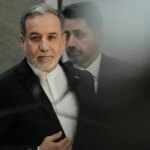
The Iranian nuclear file has returned to the forefront of events amid mounting American pressure and a limited diplomatic breakthrough, following reports that the Iranian Foreign Minister, Abbas Araqchi, proposed during private meetings in New York allowing International Atomic Energy Agency inspectors to access bombed nuclear facilities, in exchange for easing the sanctions imposed on his country.
Bloomberg quoted informed diplomats as saying that Araghchi discussed this idea with European and Middle Eastern officials with the aim of finding a new negotiating space. Despite this proposal, no official agreement was announced, and it is not yet clear whether Washington or European capitals are ready to take it as a basis for future negotiations.
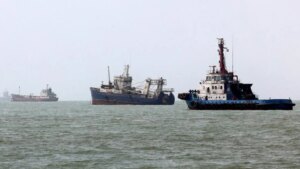
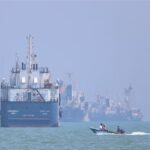
This diplomatic move comes in light of increasing economic pressure facing Tehran as a result of the sanctions and blockade related to the Strait of Hormuz. In the same context, Iran had submitted, through Qatari mediators, a separate proposal to stop the fighting, reopen the Strait, and ease economic pressures, but US President Donald Trump announced his rejection of it.
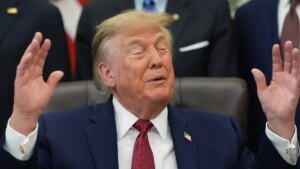
On the other hand, Trump escalated his tone towards the Iranian leadership, calling on it to “make the right decision,” and confirming the imposition of severe restrictions on the movement of Iranian ships in the Strait of Hormuz. On September 29, Trump denied making any offers to Tehran that included easing sanctions or releasing frozen funds in exchange for nuclear concessions, which highlights the widening gap between the two sides regarding the terms of the settlement.
At the field level, the United States has strengthened its military presence in the region. The Wall Street Journal reported that Washington is about to send a third aircraft carrier and about 10,000 additional military personnel to the Middle East, bringing the total American forces there to more than 60,000 personnel.
These developments coincide with the continuation of shipping traffic through the Strait of Hormuz as a major pressure tool in the conflict, despite liquefied natural gas shipments through it recording record levels last September, which reflects the complex intertwining between military escalation, economic pressures, and efforts to keep channels of dialogue open at a delicate stage that oscillates between diplomacy and the option of escalation.