October 4, 2026

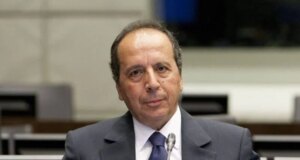
Representative Bilal Al-Hashimi entered the escalating debate within the Sunni arena regarding the mandate of the Grand Mufti of the Republic, Sheikh Abdul Latif Derian, declaring his clear bias towards Dar Al-Fatwa, and refusing to allow the disputes surrounding amending the age of mandate for muftis to turn into a confrontation targeting the religious authority or weakening its position.
Al-Hashimi confirmed, in a statement issued today, Friday, October 2, that his position in support of Mufti Derian and Dar al-Fatwa is “clear and does not tolerate ambiguity,” stressing the legitimacy of the objection to amending the age of mandate for muftis. However, he warned against this objection turning into “a battle to break the authority or exhaust it politically and in the media.”
He explained that the right to discuss and borrow is guaranteed to everyone, but that differences within the Sunni community must not be drawn into open campaigns that weaken its institutions, calling for the discussion to be limited to the legal amendment itself, away from personally targeting the mufti or the Fatwa House.
Al-Hashimi considered that Dar Al-Fatwa “is not the property of a team or a person,” but rather it is a comprehensive authority, warning that weakening it at the current stage will leave negative repercussions that will ripple back to everyone later. He compared this to the other Lebanese components that maintain their authorities despite the depth of the differences among them, stressing that what is required, Lebanese and Sunni, is “disagreement without breaking the house.”
He concluded his statement by emphasizing his categorical refusal to turn the discussion into “defamation” or an attempt to undermine the authority, reiterating his commitment to supporting Mufti Derian and protecting the Dar al-Fatwa website.
This position comes in the midst of a heated judicial and political debate against the backdrop of the decision of the Supreme Islamic Sharia Council issued in September 2023, which stipulated amending the end of the term of the Mufti of the Republic to 76 years, and the Muftis of the regions to 72 years, after the decision was approved at the time unanimously by those present as falling within the regulatory powers of the Council.
The file resurfaced strongly following a judicial process before the State Shura Council challenging the legality of the decision and the procedures accompanying its approval, which ignited a wide debate in Sunni circles about the future of Mufti Derian’s mandate and the powers of the Sharia Council. This issue is of great importance because the Supreme Islamic Sharia Council is the body exclusively authorized to issue regulations and decisions regulating religious affairs and the management of Islamic endowments.