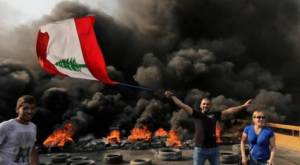
The Middle East region is entering an extremely dangerous two weeks, as diplomatic and security estimates reveal the approach of a major moment of ignition that is no longer just a negotiating pressure tool on the table. Rather, it is an open operational scenario in which the harbingers of a possible US strike on Iran intersect with a strong desire on the part of Benjamin Netanyahu’s government to open the gates of hell on the southern Lebanon front.
Tehran mobilizes: “Comprehensive confrontation” is ready
Tehran raised its military alert level to unprecedented levels, following the arrival of intelligence information indicating the possibility of resuming US strikes:
- Expanding the scope of the response: The Iranian leadership warns that any new targeting of its territory will not happen as before, but will lead to a radical change in the nature of the objectives and the military geography of the battle.
- Moving allied fronts: Directing any direct strike into the Iranian depths will push Tehran to activate its regional power cards at once, which will automatically place Lebanon’s southern borders in the eye of the storm and the first line of defense.
Netanyahu’s dilemma: fleeing to the southern front
In Tel Aviv, options are narrowing for Israeli Prime Minister Benjamin Netanyahu as opinion polls decline and internal criticism mounts; What makes him urgently need a “lightning field achievement” to market to his audience:
- Lebanon Front accounts: The Lebanese arena represents the easiest and closest target for Netanyahu to impose new security realities. Whether by escalating the raids, or trying to seize new lands and reproducing the “Ali Al-Taher Heights” scenario, to blackmail the Lebanese state and extract political concessions under the weight of fire.
- Abu Dhabi station messages: Netanyahu’s visit and meeting with Emirati President Sheikh Mohammed bin Zayed comes at a suspicious time. Observers read it as an attempt to explore the Gulf’s prior position, and to neutralize any broad Arab or diplomatic objection in the event that Israel decides to ignite the regional confrontation.
Lebanon is in the eye of the hurricane
Between Tehran’s preparation for the worst scenario and Netanyahu’s attempts to export his government crisis with fire, Lebanon finds itself trapped in a feverish race between lost diplomatic opportunities and the drums of war. The south will once again remain a candidate arena to pay the heaviest bill in a conflict whose timing the Lebanese cannot decide.