Lebanon’s living crises intersect on the cusp of winter: the food bill exceeds purchasing power
As winter and the school season approach, Lebanon is witnessing the intersection of four major crises at the same time. It includes a weekly rise in fuel prices, a decline in the volume of international aid, the continuation of displacement, and the imposition of new fees on agricultural and livestock production inputs. These data lead to accelerating inflation in the food bill that exceeds the financial ability of citizens to meet it.
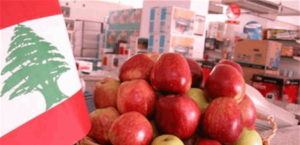
Current indicators in Lebanese markets show an abundance of basic commodities such as tomatoes, chicken, and flour, but the main dilemma lies in the decline in consumers’ purchasing power. The latest report issued by the World Food Program confirms that the food crisis in the country has transformed from a problem of “scarcity” to a crisis of “purchasing power,” which explains why citizens feel that the value of their salaries is constantly eroding.
In this context, World Food Program data for 2026 indicate that food price inflation will rise by 18% within one year. The data showed that about 1.24 million people in Lebanon – equivalent to a quarter of the population and residents – suffered from severe food insecurity during the period between April and August 2026. These numbers are consistent with multiple local and international reports that monitored an escalation in hunger rates compared to the previous year.
Economic calculations show that the minimum for a family of five to survive, which is limited to food, housing, and basic needs without any luxuries, is about $563 per month. On the other hand, the actual cash assistance received by the most needy families does not exceed the threshold of $145 at best.
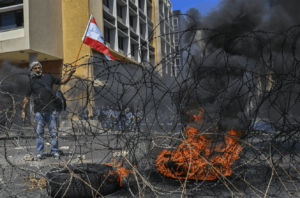
Burning fuel and ongoing security repercussions
The high prices of food coincide with frequent adjustments to the fuel price schedule, which is issued twice a week. During the month of September, the price of a can of gasoline rose from about 2,571,000 liras to 2,810,000 liras, while the price of a can of diesel jumped by more than 200 thousand liras. The goods transport sector and food distribution trucks, in addition to the electricity generators that operate the cold rooms in meat and dairy stores, rely mainly on diesel fuel, which has an immediate impact on the prices of bread and meat.
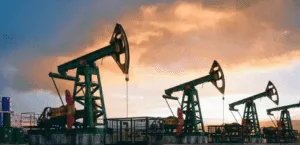
The pressures are not limited to local developments, as fuel traders in Beirut are anticipating a possible new wave of rise in global prices, as a result of regional tensions and fluctuations in oil markets. These factors interfere with the continued state of security instability. According to United Nations data, there are still more than 350,000 displaced people inside Lebanon, while the International Organization for Migration recorded last July more than 375,000 internally displaced people, compared to about 753,000 returning to their areas. Displacement results in a simultaneous loss of housing and a source of income, which pushes many families below the poverty line to become emergency situations dependent on food aid that is no longer sufficiently available.
Declining humanitarian funding and new tax burdens
The crisis is exacerbated by a decline in international funding for the humanitarian response. The World Food Program announced its need for about $112 million to cover its operations in Lebanon between May and August 2026 and ensure the continuation of life-saving assistance to the most needy groups. This decline comes at a time when the base of those in need is expanding, which threatens to widen the gap between the basket of basic needs and what families are able to secure on their own.
On the government financial level, the authorities imposed new fees described as dangerous on animal production inputs, specifically what is known as the “environmental fee” imposed on basic materials for the feed industry such as soybean meal, sunflower, cotton, and sugar beet bagasse, in addition to veterinary medicines and feed additives. Chicken farm owners indicated in statements to “Lebanon 24” that these materials constitute the “hidden fuel” for every egg, kilo of chicken, and liter of milk that reaches consumers.
Winter and school season burdens
These multiple living challenges overlap with a very precise timing that coincides with the end of September, as families bear the burdens of the school season, including tuition, stationery, uniforms, and transportation fees, in the absence of any surplus income. In addition, the approaching winter season requires higher rates of consumption of diesel fuel for heating purposes, which is the material that recorded the highest rate of increase in prices during the current month.
Lebanese families who live just above or just below the poverty line find themselves facing extremely complex living equations, choosing between providing heating or food, or providing school supplies in exchange for medicine, which embodies a comprehensive intersection of food and fuel crises, displacement, and scarcity of aid at the same time.