In light of the expanding regional tension and its repercussions on international shipping lines and energy supplies, Pakistan entered the crisis line between the Houthi group and Saudi Arabia, sending a direct message to Tehran demanding that it intervene to curb the escalation.
The Financial Times newspaper revealed on Friday that the Pakistani Army Commander, Field Marshal Asim Munir, urged Iranian officials to use their influence to prevent the Houthis’ ongoing missile and drone attacks targeting cities and vital installations inside the Kingdom.
The newspaper reported that Pakistani officials informed the Iranian side that the continued escalation may put Islamabad before its defense obligations towards Riyadh, if the latter requests the activation of joint defense cooperation agreements, noting that the proposal did not include a direct threat to Tehran.
In the same context, Field Marshal Asem Munir made several contacts with Iranian officials, including a recent call with Iranian Foreign Minister Abbas Araghchi. Iranian media reported that the two sides discussed regional developments during a phone call that coincided with Araqchi’s visit to the Chinese capital, Beijing.
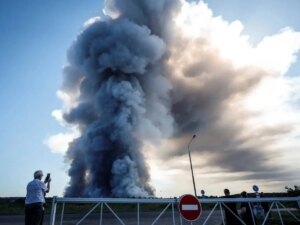
These diplomatic and military moves come amid escalating confrontations between the Houthis and Saudi Arabia, following attacks that targeted cities and energy facilities, most notably the recent attack on the city of Taif, which Islamabad condemned, reiterating its full solidarity with Riyadh.
For its part, Iran continues to emphasize that the Houthis are moving independently, while Islamabad seeks to push Tehran to use its regional influence to contain the situation and prevent further deterioration, according to what was reported by the Financial Times.
These developments are of great importance in light of their extreme sensitivity to the security of international navigation, especially after the tension has spread to the Red Sea and the strategic Bab al-Mandab Strait. Navigational data showed that only 23 commercial ships crossed the strait on Thursday, compared to a daily average of about 26 ships during the previous ten days, amid growing concerns about global trade and energy supplies.
It is noteworthy that the Yemeni conflict had witnessed relative calm since the announcement of the truce in 2022, before recent months witnessed a strong return to cross-border escalation, coinciding with the expansion of regional tensions, which brought the Bab al-Mandab Strait and the Red Sea back to the forefront of global security and economic concerns.