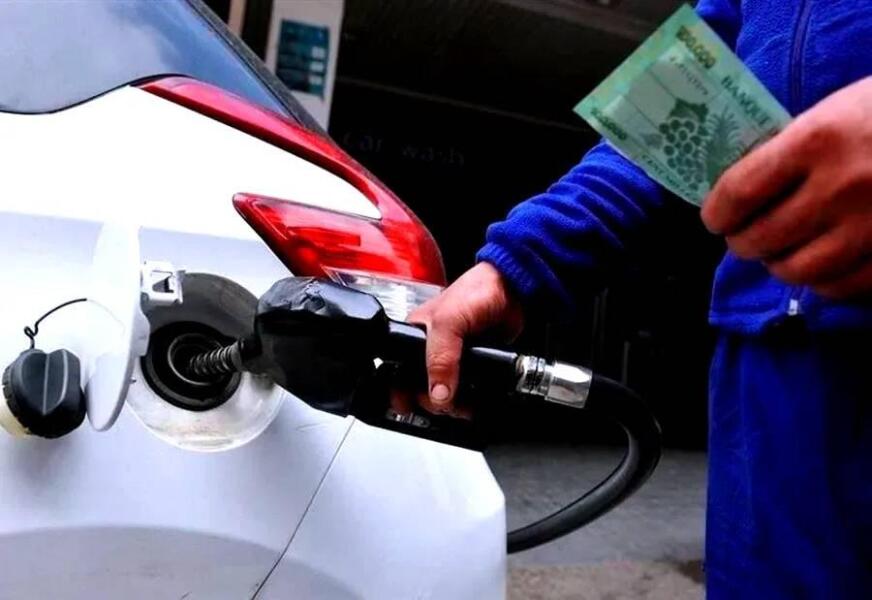
This information raised concern in the market, especially with talk about the Ministry of Economy having daily data that includes the quantities delivered and the names of the entities benefiting from them. Here the basic problem arises: Is Lebanon facing a real fuel shortage, or is what is happening nothing more than storage and speculation operations that benefit from citizens’ fears and price fluctuations?
This atmosphere coincided with the visit of Prime Minister Nawaf Salam to Iraq, on Sunday, where the energy file is expected to constitute one of the axes of the discussions, along with the Iraqi-Syrian-Lebanese oil pipeline project, in light of Lebanese attempts to expand economic cooperation with Iraq, Syria and Turkey, and search for new paths to secure the country’s needs.
But the representative of fuel distributors, Fadi Abu Chakra, in contact with “Lebanon 24”, denied the existence of a gasoline crisis, stressing that import and distribution operations are continuing normally according to approved schedules, and that ships loaded with fuel will arrive successively in Lebanon, provided that the quantities are pumped into the market according to the usual program.
Abu Shakra said that the importing companies confirmed during a call with him that the gasoline would be delivered on Monday morning as usual, explaining that the stations would receive what they needed and that there were no practical indicators indicating an interruption of the material or the cessation of distribution.
He stressed that the news circulating about an imminent crisis is not based on data issued by the fuel sector, categorically denying the statements attributed to him in this regard. He added that the presence of temporary pressure or additional demand at some stations does not mean that the country is heading toward a crisis, especially since the ships are arriving sequentially and delivery will resume as usual at the beginning of the week, according to schedules.
Abu Shakra explained that the priority for distributors at the current stage is to ensure the availability of fuel in the market and its arrival to stations and citizens, stressing that the quantities will be delivered without change in the approved mechanism.
As for prices, he pointed out that they remain linked to the movement of oil prices in global markets and to the cost that is included in the price composition schedule locally. He said: “In our name and in the name of the citizens, we hope to reach any agreement or relief that will reflect a decrease in prices, but our main concern today is to secure the material and not cause any shortage.”
Thus, Abu Chakra separates two files: the first relates to the availability of gasoline, and he confirms that its supplies are normal, and the second relates to prices that are subject to external developments. With companies confirming the resumption of deliveries on Monday morning, according to sector data, there do not appear to be any reasons for citizens to flock to stations or store fuel.