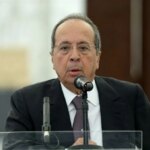
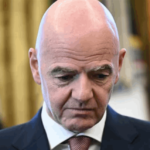
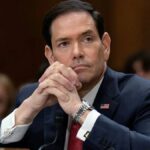
The US State Department issued an official statement following a tripartite meeting held Tuesday evening in Washington, DC. The meeting included “US Secretary of State Marco Rubio,” “Counselor Michael Needham,” “US Ambassador to Lebanon Michel Issa,” “Israel’s Ambassador to the United States Yehiel Laiter,” and “Lebanese Ambassador to the United States Nada Hamada Moawad.”
The statement explained that this meeting represents the first high-level contact between the Israeli and Lebanese governments since 1993. The participants held fruitful discussions on the necessary steps to launch direct negotiations between the two countries.
The United States praised the two parties, describing this as a “historic achievement,” declaring its full support for the continuation of these talks, in addition to the Lebanese government’s plans to restore its exclusive control over weapons and strengthen state sovereignty. Washington also expressed its aspiration that these negotiations would go beyond the limits of the 2024 agreement and ultimately lead to a comprehensive peace agreement.
It also affirmed its firm support for Israel’s right to defend itself against any attacks, stressing that any agreement to stop hostilities must be concluded between the two governments under American auspices, and not through separate channels. The statement indicated that these negotiations would open the door to significant aid for reconstruction and economic recovery in Lebanon, in addition to expanding investment opportunities for both countries.
For its part, Israel affirmed its full support for the disarmament of all non-state armed groups and the dismantling of the military infrastructure in Lebanon, expressing its readiness to enter into direct negotiations to resolve the outstanding issues and reach a lasting peace that enhances security and stability.
On the other hand, the Lebanese state stressed the importance of fully implementing the declaration of cessation of hostilities issued in November 2024, affirming its commitment to territorial integrity and full sovereignty, calling for an immediate ceasefire and taking practical steps to address the severe humanitarian crisis resulting from the ongoing conflict.
All parties agreed to launch direct negotiations at a place and time to be determined later.
This meeting comes in light of the ongoing military escalation since March 2, and the intense diplomatic efforts that followed to contain the tension and stabilize the ceasefire. This step represents the first direct path between Lebanon and Israel in more than three decades, amid international hopes that the fragile truce can be transformed into a broader agreement that addresses security, political and humanitarian issues.
Between the clear American support for the negotiating track, the Lebanese adherence to sovereignty and stopping attacks, and the Israeli insistence on addressing the illegal weapons issue, the next stage seems decisive in determining whether this track will lead to a long-term understanding, or will remain dependent on the complexities of the field and political situation.