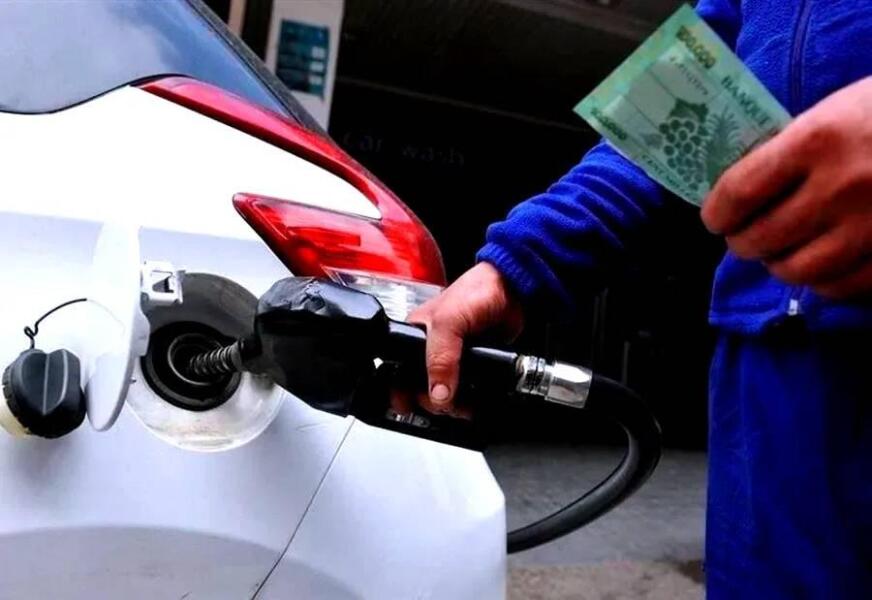
Representatives of fuel distributors held a meeting to discuss the current situation of fuel distribution in light of the difficult circumstances that Lebanon is witnessing. After the meeting, the representative of the distributors, Fadi Abu Shakra, stated that the discussion focused on the significant increase in the cost of fuel, stressing that the prices had become very high, which increased the amount of capital required from the distributors and placed an additional burden on the shoulders of citizens.
He pointed out that “these increases are not local, but rather are a direct result of what he described as ‘war prices,’ as global pressures on oil prices are directly reflected in fuel prices in various countries of the world, especially in Lebanon.”
He also stressed that “local authorities do not have the ability to control these increases, as they are the result of international factors beyond control,” expressing his hope that “citizens will understand the nature of this crisis.”
He expressed “the hope that international agreements will be reached as soon as possible in order to reduce fuel prices, as this will have a positive impact on the economy,” stressing that “the continuation of the current situation is not in the interest of any country, but rather leads to serious economic repercussions worldwide, especially in Lebanon.”
He believes that “a drop in gasoline prices to around $15 per plate would contribute to stimulating economic activity,” pointing out that “the current high prices have led to a noticeable decline in the volume of distribution.” He explained that “the percentage of decline in the distribution of fuel in Lebanon ranged between 30-40%, with a larger decline recorded in some areas, where the percentage of distribution in the south reached only between 5-10%, while the Bekaa region also witnessed a decline compared to previous periods.”
In a related context, Abu Chakra reassured citizens that “a shipment of fuel has arrived on the Lebanese shore and is awaiting unloading,” stressing that “supplies are continuing and that the materials are available in the market, and there is no need for storage,” reiterating that “current prices remain linked to global conditions, and he called for “no rushing to fuel stations and no fear of the material being cut off, as there is a ship loaded with gasoline that has arrived in Lebanon awaiting unloading, and there are also ships that will arrive successively.”
He concluded his speech with a greeting on the occasion of Easter.