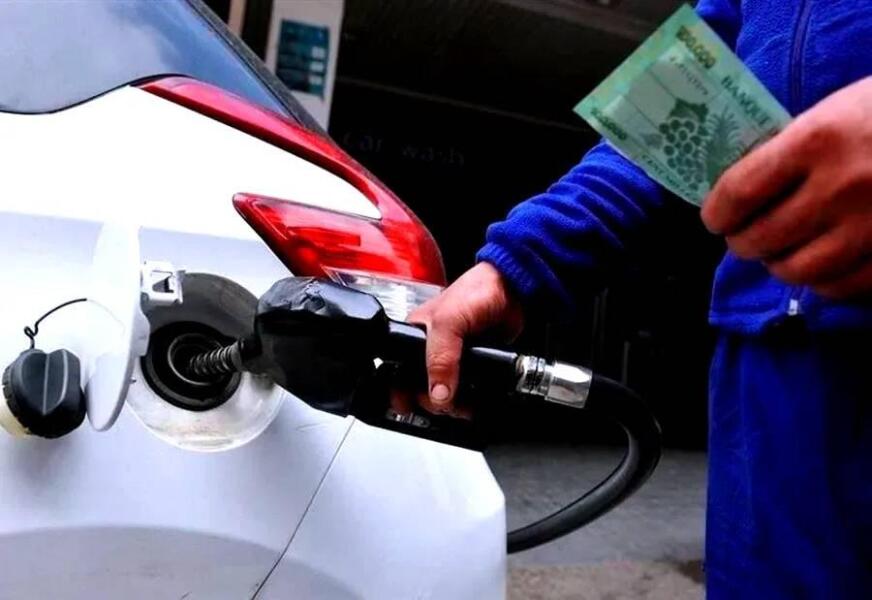
In the midst of the rapid developments of the regional war and its direct effects on the prices of oil and its derivatives, Lebanon is facing new pressures on the electricity sector. The significant increase in the prices of diesel and operating requirements has exacerbated the electricity crisis, both at the state level and in private generators that represent the basis for providing electricity to citizens.
In this context, the head of the Private Generator Owners Association, Abdo Saadeh, stated in an interview with , that a sharp rationing of up to 8 hours a day will begin to be implemented in both Beirut, the capital of Lebanon, and Tripoli, the capital of the north. He described this step as “forced” as a result of the increasing losses.
Saadeh explained that the Ministry of Energy issued the price for the month of March without taking into account the increase that occurred on the same day in the price of diesel, as the price of a ton rose by about $40, considering that “it is self-evident to calculate this increase with the last month.”
He pointed out that the crisis is not limited to diesel only, but also includes the high prices of oil, filters, and spare parts. He explained that generator owners are forced to change the oil three times a month, while parts prices have witnessed a “crazy rise” that has not been reflected in the official pricing.
He added that the price rose by about 12 cents from last month, or approximately 35%, while the price of diesel rose to about 60%, which makes it, in his words, “unfair and unfair to the owners of generators.”
Regarding the rationing decision, Saadeh stressed that it is a “legitimate option” that aims to reduce losses, but it also carries a humanitarian dimension, as it contributes to reducing the bill for citizens who began demanding that their subscriptions be reduced from 5 amps to 2 amps or less. He stressed that generator owners responded to these demands based on their slogan: “We will not leave any home living in darkness,” “unlike the state that is spreading darkness over Lebanon.”
He called on the state to assume its responsibilities in providing electricity, considering that this role is at the core of its duties, adding that “there is no problem with the generator owners returning to their homes and stopping this work and the ‘shit’ that accompanies it, which forces them to make noise on a monthly basis.”
He also pointed out that the cost of maintenance has increased significantly, as a worker who used to earn about $100 is now asking for $300, in addition to the doubling of the wages of workers with generator owners.
Regarding the moves, Saadeh pointed out that the Minister of Energy “issued the pricing and proceeded,” which prompted generator owners to contact the union and demand rationing for 8 hours a day, with the aim of reducing losses on the one hand, and relieving the burdens on citizens on the other hand.
He expected that other Lebanese regions would join this trend in light of the continued “crazy” rise in the prices of diesel, oils, filters, and spare parts, warning that “the cry of generator owners will be followed by the cry of citizens,” and warning against “breaking this sector,” after “the Electricité du Liban has been broken,” as he put it.
Saadeh concluded by stressing that the current pricing “takes the sector into darkness,” holding the Minister of Energy responsible, “intentionally or unintentionally,” considering that it oppresses generator owners and threatens their continuity.