Egyptian Prime Minister Mostafa Madbouly announced a decision to close shops, malls, and restaurants at nine o’clock in the evening, starting on Saturday, March 28, with the exception of Thursday and Friday, when work will continue until ten o’clock in the evening.
During a press conference held on Wednesday, Madbouly explained that this decision will remain in effect for a month, and will be re-evaluated later. He stressed that: “This decision will not apply to factories and infrastructure stations.”
The Egyptian Prime Minister added that the government is studying the possibility of implementing a remote work system for one or two days a week in all institutions whose work nature allows for this.
The illumination of billboards on the roads will also be stopped, in addition to reducing the lighting of streets and public squares throughout Egypt.
Madbouly pointed out that the value of Egypt’s natural gas imports has increased by $1.1 billion per month as a result of the current conditions, reaching $1.65 billion, compared to $560 million before the “war in Iran,” which represents an additional burden on the state.
Madbouly explained that the Egyptian government is striving to reduce the energy consumption bill, stressing that the other alternative is to resort to raising prices.
Earlier, Madbouly confirmed that once the “war on Iran” ends and its repercussions subside, the increase in fuel prices in Egyptian markets will be reconsidered, indicating that stopping the war does not necessarily mean that the repercussions will end immediately, as it takes some time.
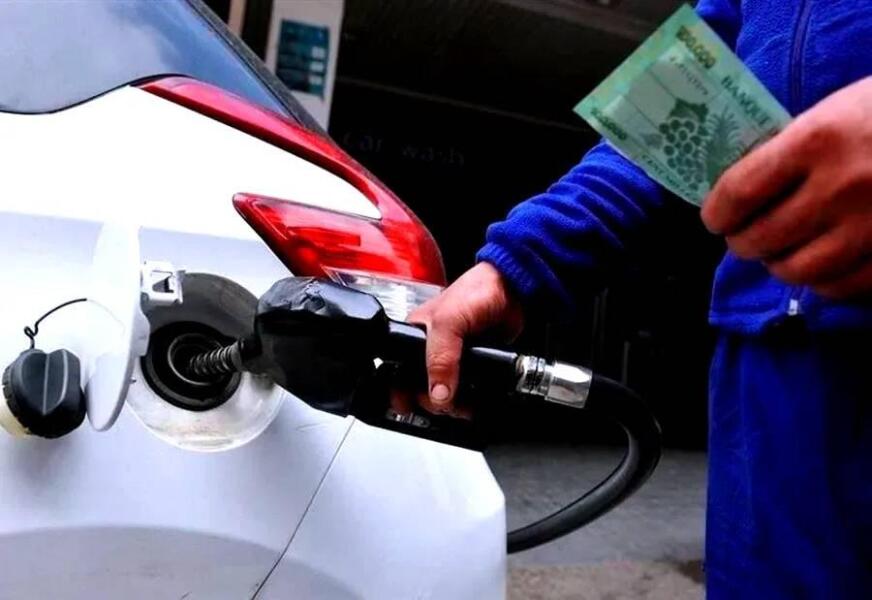
It is noteworthy that Egypt has raised the prices of some petroleum products by 3 pounds at once, as the price of “gasoline 95” rose from 21 pounds per liter to 24 pounds, “gasoline 92” from 19.25 pounds per liter to 22.25 pounds, “gasoline 80” from 17.75 pounds per liter to 20.75 pounds, and “diesel” from 17.5 pounds. per liter to 20.5 pounds.
The price of “stove gas” also jumped from 225 to 275 pounds for a 12.5 kg cylinder, and from 450 to 550 pounds for a 25 kg cylinder, and the price of “car fuel gas” rose from 10 to 13 pounds per cubic meter.
Madbouly concluded his speech by saying that the country faced two options: either maintain the prices of petroleum products and bear huge losses after the rise in global prices, or take proactive action to ensure the continued rotation of the wheel of production.