Assessments within the Israeli army indicate that diplomatic efforts aimed at calming the situation on the Lebanese front may not achieve their desired goals, as the military confrontation with Hezbollah continues.
Israeli Channel 12 reported that the Israeli army informed the political leadership, during closed sessions, that all negotiating initiatives proposed by the Lebanese government or foreign countries are likely to fail under the current circumstances.
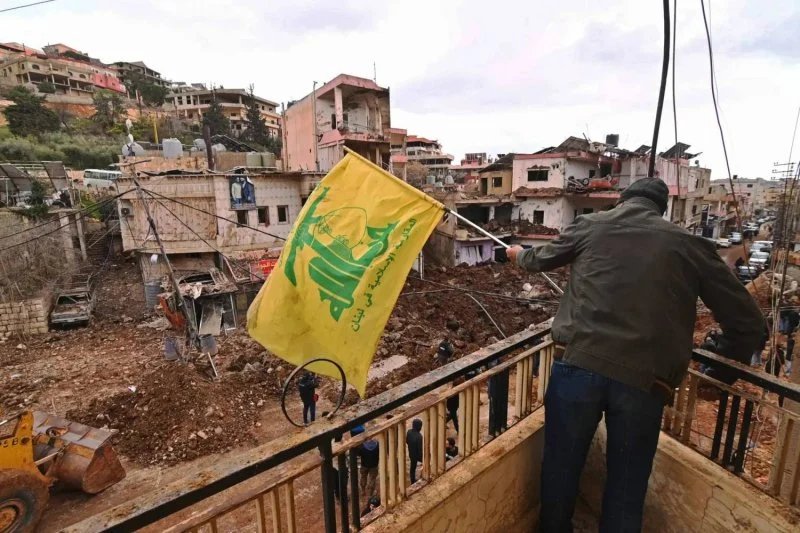
The channel quoted military officials as saying that Hezbollah had engaged in the fighting and felt that it had nothing to lose, considering that its position at this stage was strict and not inclined to make concessions.
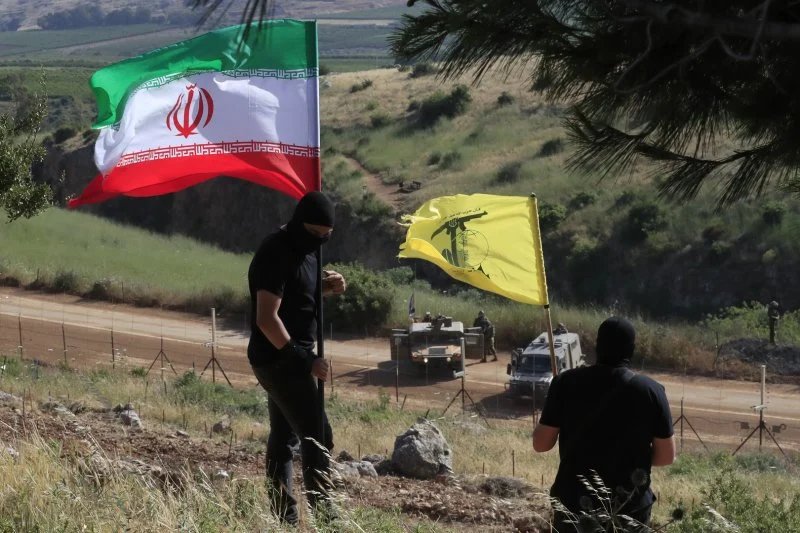
The officials added that President Joseph Aoun is seeking to find a framework for dialogue with the aim of containing the escalation, but the party – according to Israeli estimates – is not currently interested in this path, believing that its main goal is to protect “Iran.”
A high-ranking intelligence official also explained during the discussion with the political leadership that the party’s leaders believe that they are able to force Israel to cease fire without granting it freedom of action or a clear implementation mechanism, which the Israeli official described as an inaccurate assessment, but which, according to him, reflects the prevailing mood in the party.
In a context parallel to these estimates, political and military sources reported to Channel 12 that the recent rocket shells had confused field calculations, prompting Israel to study additional escalation options.
According to the sources, the proposed scenarios include expanding military operations inside Lebanon, including the possibility of launching a large-scale ground operation up to the Litani River, in addition to targeting infrastructure and sites suspected of being used to store weapons.
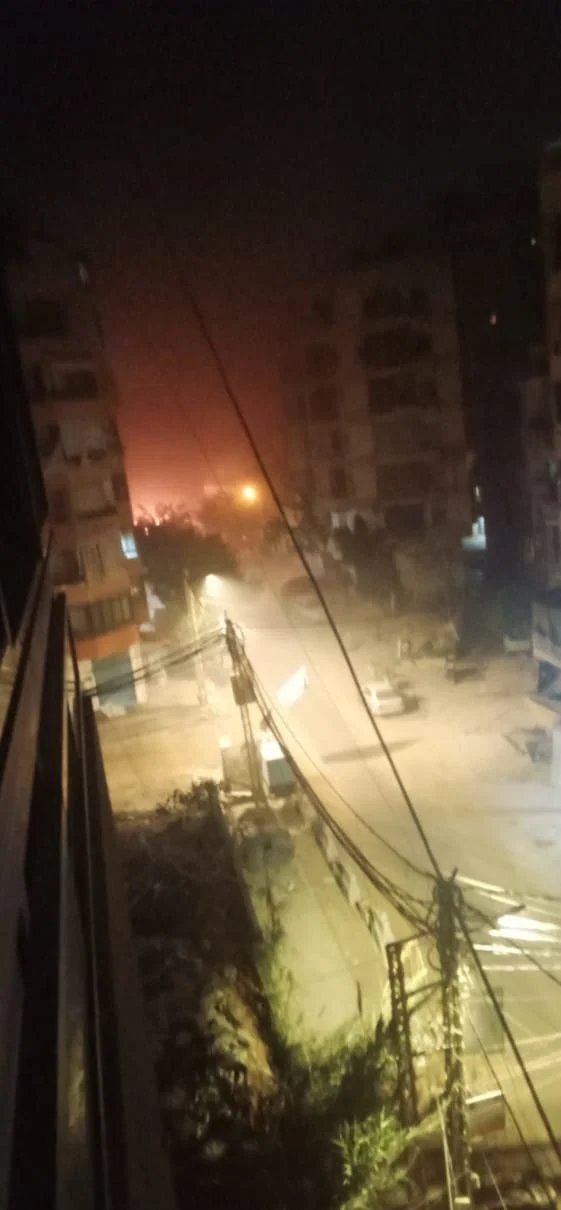
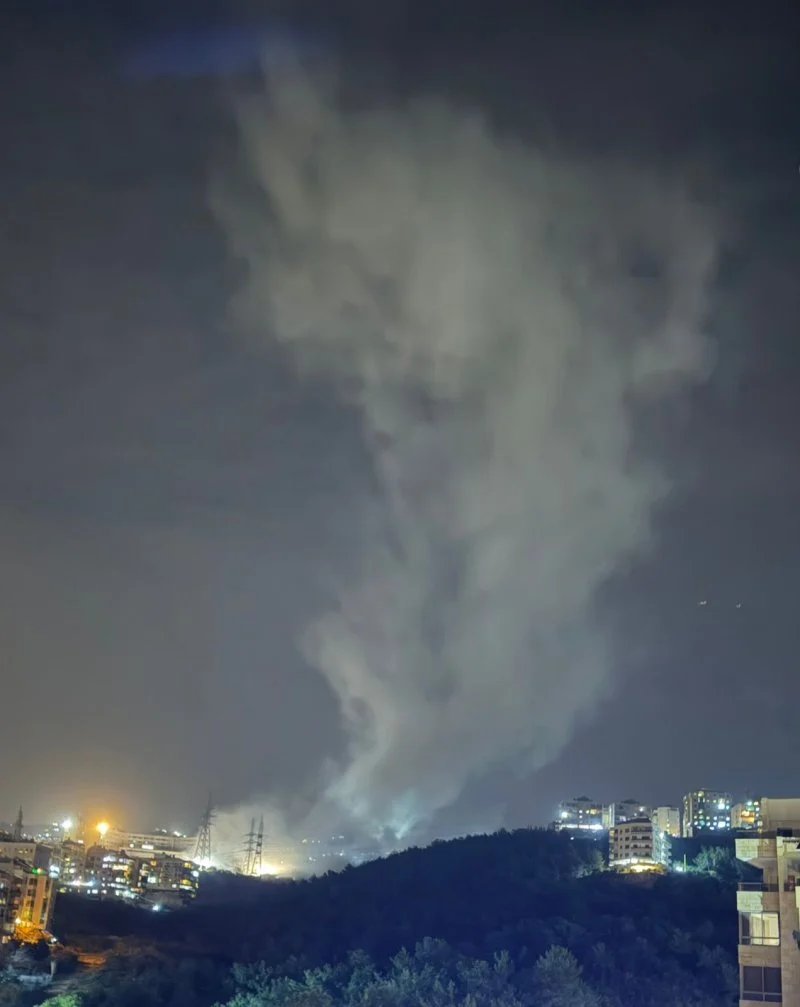
In conjunction with these consultations, the Israeli army spokesman announced that the Air Force had begun an intense series of raids targeting Hezbollah infrastructure in Beirut and multiple areas in southern Lebanon.