The Financial Times reported in a report that the raging conflict between Hezbollah and Israel is deepening the party’s isolation within Lebanese territory, coinciding with the escalating wave of popular anger and sectarian tension as a result of the worsening destruction and displacement in the country.
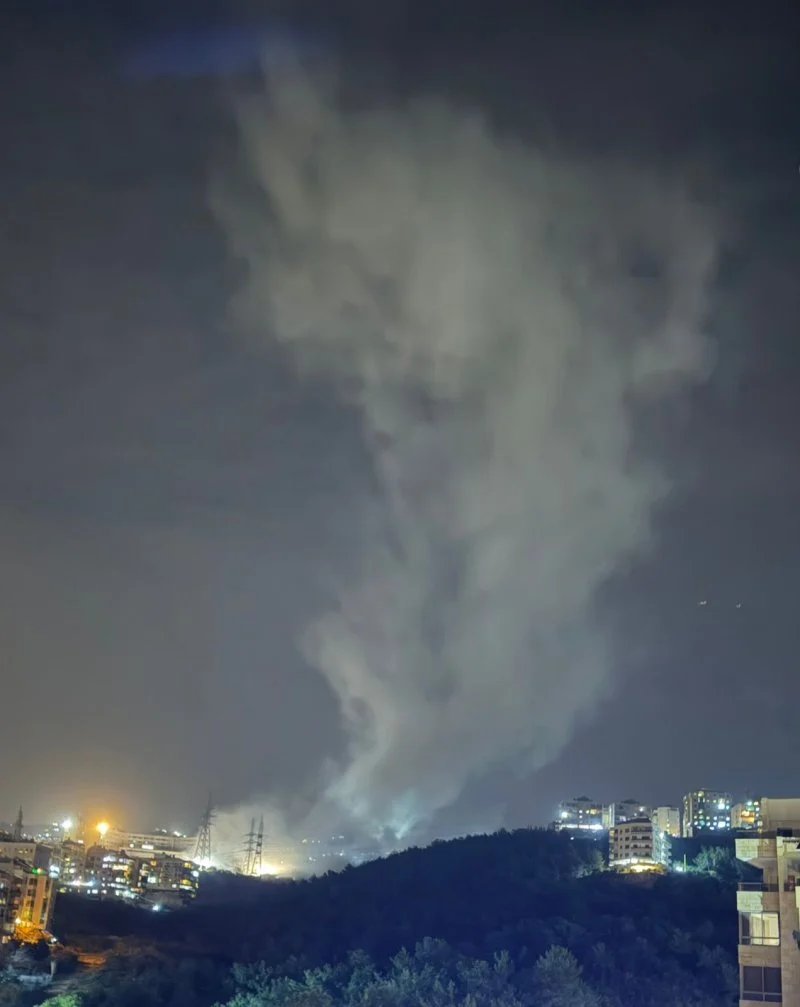
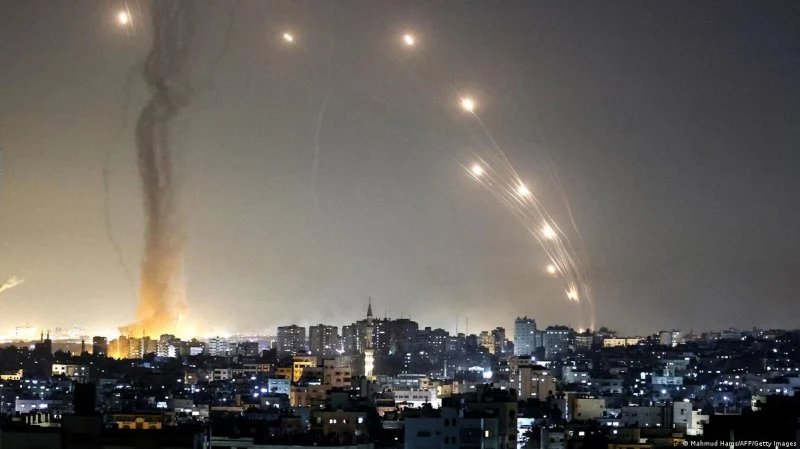
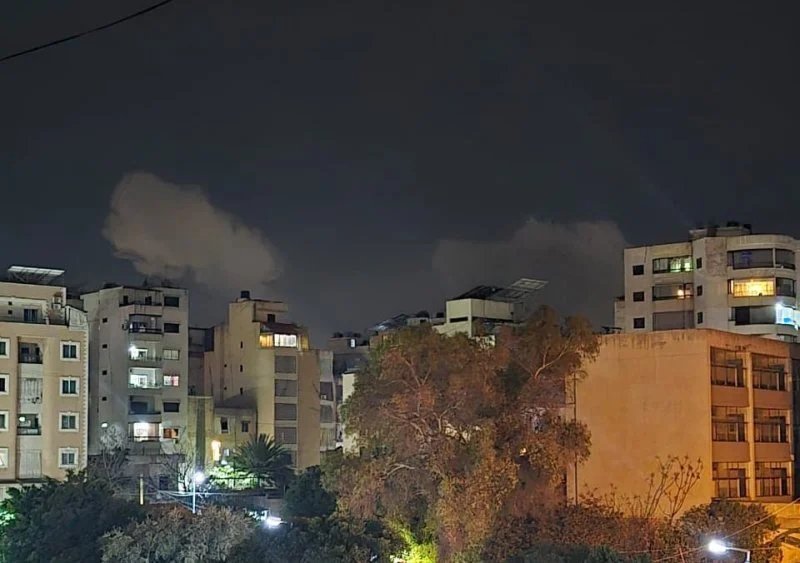
According to the report prepared by the newspaper’s correspondents, Hezbollah’s launching of missiles and marches towards Israel last Sunday led to a large-scale Israeli military response, which has so far left 634 people dead in Lebanon and forced more than 800,000 people to flee their homes.
Although Hezbollah still has a strong popular base, the decision to enter this war sparked a wave of discontent throughout Lebanon, especially with the country already suffering from the repercussions of the previous war with Israel in 2024. Critics believe that the party is fighting on behalf of Iran more than defending Lebanon.
The report explains that this discontent was not limited to the party’s traditional opponents, but rather extended to include a wide segment of the Shiite community, as a portion of the sect’s members oppose involvement in this war.
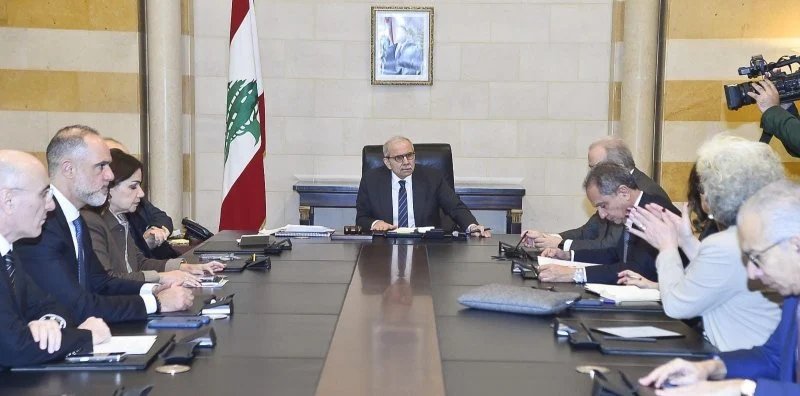
Even the Amal Movement, Hezbollah’s most prominent political ally, expressed its opposition to the party’s entry into the confrontation, and voted last week in favor of a resolution banning its military activities, in a move considered the most daring by the Lebanese state against the party to date, despite the difficulty of implementing it on the ground.
Imad Salami, professor of political science at the Lebanese American University, said: “The general sectarian mood in the country, with the exception of the Shiite environment, has become hostile to Hezbollah, adding that some Shiites themselves also oppose the war.” He pointed to the increasing voices calling for more assertive measures by the state to disarm the party, even if this leads to a direct confrontation with it, which the state has sought to avoid for years.
The Israeli raids also caused the displacement of hundreds of thousands of residents of the south, most of whom belong to the Shiite sect, to areas in Beirut with a non-Shiite majority, which raised fears that anger towards Hezbollah would turn into tension between local communities and the displaced.
Observers warn that the continuation of the war may lead to a dangerous escalation in a country that still suffers from a heavy legacy of civil war, where sectarian divisions play a pivotal role in the political system.
For his part, Michael Young of the Carnegie Center in Beirut said, “The Amal Movement’s support for the decision to ban Hezbollah’s military activities reflects an increasing level of isolation, but he indicated that the movement’s leader, Nabih Berri, has no intention of entering into a clash with the party or creating a division within the Shiite community.”
On the other hand, Hezbollah is under increasing political pressure from the Lebanese state as well, in light of repeated Israeli demands that the Lebanese army take action against the party. President Joseph Aoun accused “the missile launchers of seeking to destroy the Lebanese state.”
Despite the state of fatigue and exhaustion that prevails in some Shiite circles, the report confirms that the party still enjoys strong support among its core base, which sees the confrontation with Israel as “part of an existential battle that requires sacrifices.”