The dollar has given up some of its safe-haven appeal, driven by expectations that conflict in the Middle East may be contained, sending once-high oil prices lower and riskier assets rising.
The price of the dollar reached 157.73 yen and 1.1632 against the euro at the beginning of Asian trading, but it retreated from its highest levels the previous day after US President Donald Trump said that Washington was “far advanced” in the war against Iran than his initial estimate of four to five weeks.
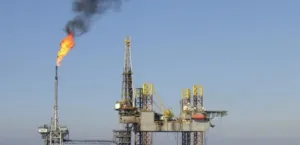
The price of Brent crude futures reached $92.46 a barrel in Asian morning trading, down from its highs of $120 on Monday, Reuters reported.
The risk-sensitive Australian dollar remained stable at around $0.7068 after hovering in the 70 cent range since the start of the conflict.
“The market is just taking a breather,” said Rodrigo Catril, senior currency strategist at National Australia Bank in Sydney. “We are cautious that it may not be that simple once the end of the war is announced. We feel we have not seen the end of the volatility yet.”
The dollar was the haven of choice for traders, as US and Israeli attacks on Iran halted oil and gas exports through the Strait of Hormuz, sending energy prices higher.
Investors fear this will limit global growth by taxing business and consumption, while at the same time prompting central banks to delay interest rate cuts.
The British pound recovered after its decline on Monday and settled at $1.3412, while the New Zealand dollar settled at $0.5932.