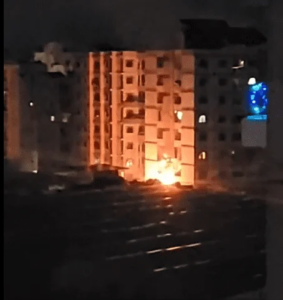
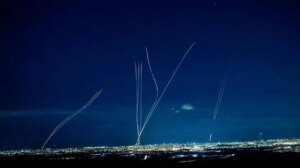
An Israeli official admitted that Tel Aviv made a mistake in its calculations regarding Hezbollah’s response and the level of its involvement in the conflict, after Israel witnessed a barrage of simultaneous missiles launched from both Iran and Lebanon last Wednesday.
According to what Israeli Channel 13 reported, this issue will be among the most prominent files that will be discussed by the mini-ministerial political and security council during a meeting held by Prime Minister Benjamin Netanyahu, in light of the change that has occurred in the level of Hezbollah’s participation in the fighting.
An Israeli official told the channel: “We miscalculated Hezbollah. We did not expect that they would fire so deeply.”
Estimates within the Israeli military establishment indicate that the basic assumption was the possibility of Hezbollah joining the confrontation, but expectations indicated that the Israeli strikes in Iran would affect the nature of the Lebanese front.
In this context, the Israeli army took a decision not to evacuate the residents of the north, despite threats related to infiltration operations or the launching of anti-armor missiles from Lebanon.
Two days ago, Israeli Chief of Staff Eyal Zamir stated that Israel will not end the conflict before Iran and Hezbollah receive a severe blow, adding: “We will end the battle not only when Iran is harmed, but when Hezbollah also receives a severe blow.”
Zamir confirmed that Israel repeatedly warned the Lebanese government and the Lebanese army about the need to disarm Hezbollah, but these warnings fell on deaf ears, he said.
He added: “We will know how to defend ourselves on our own. We will continue to insist on dismantling Hezbollah of its weapons – this is a demand that we will not give up on. The Israeli army will not end the battle before removing the threat from Lebanon.”
Regarding the residents of the border areas, the Israeli Chief of Staff confirmed that the army continues to protect the towns near the border, indicating that the security of the residents is a top priority, and stressing that “there will be no new evacuation of towns inside Israel.”
He added: “Every threat detected in the skies of Lebanon or on the front line will be destroyed.”
In a related context, Israeli media reports revealed that the hours preceding Hezbollah’s intervention in the fighting witnessed an intense debate within the Political and Security Ministerial Council over how to deal with the organization.
According to reports, some ministers opposed a pre-emptive strike in Lebanon, while the Chief of Staff informed the ministers during the meeting that Hezbollah had already begun launching missiles.
The ministers were discussing the option of launching a pre-emptive strike against the party before it began firing rockets towards Israel, but disagreements escalated within the government, as the Minister of Defense and the Chief of Staff supported carrying out the strike, while other ministers, including Zeev Elkin and Eli Cohen, expressed reservations and questions.
The concerns raised during the discussion focused on Israel’s ability to manage a broad military confrontation on two fronts at the same time.
During the meeting, the discussion stopped after an urgent operational report was received, as the Chief of Staff addressed the ministers and said: “Gentlemen, missiles are on the way, Hezbollah has opened fire.”