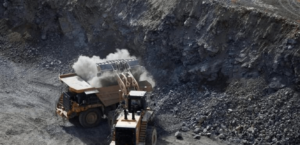
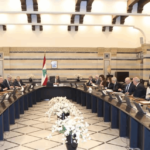
The topic of revenue enhancement dominated the Cabinet meeting held at the Government Palace. “The Council stopped specifically at the first item, in which it took note of the presentation made, whether by the Prime Minister, related to improving revenues significantly in this period and combating tax evasion, or by the ministers in order to present ways to activate the improvement of revenues, especially those resulting from combating customs and tax evasion, occupying marine and river properties, and following up on the implementation of collection orders related to quarries and crushers, as well as researching the forensic audit process in a number of ministries and departments.”
President Nawaf Salam stressed “the fight against any aspect of tax or customs evasion,” and noted “his diligent and direct follow-up of this matter. Consequently, there are files that are referred to the judiciary and there is enforcement against taxpayers who are late in paying the taxes and fees owed on them. He asked every minister to present the procedures adopted within his ministry with the aim of improving tax and customs collection.”
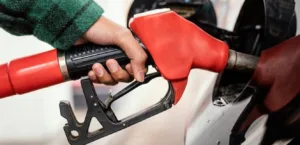
Al-Diyar reported that ministerial sources warned of the danger of returning to a crisis in finding sources to finance increases in the salaries of public sector employees and retirees, in light of expectations that the one percent increase in value-added tax will not be approved in the House of Representatives, and the possibility of judicial authorities canceling the increase tax on gasoline, which may return the crisis to “point zero.” In this context, the Prime Minister chaired a Cabinet session that focused on securing additional resources for the treasury, during which it was approved to activate financial and customs collections. While the public sector and taxi drivers suspended their strike after promises from the Prime Minister and the Minister of Finance to provide financial assistance to the transportation sector and reconsider gasoline taxes, Finance Minister Yassin Jaber stated before the cabinet meeting the possibility of canceling the gasoline tax, saying: “It would be unfortunate.”
“Nidaa Al Watan” wrote that the file of reform and combating tax and customs evasion was strongly present on the Council of Ministers’ table, as the Council approved most of the items on the 29-item agenda.
The Minister of Finance touched on tax issues, especially those related to fees, income tax, and value-added tax (TVA), noting that anyone who fails to pay these taxes is referred to the judiciary, and the Financial Public Prosecution takes action against him.
Omaima Shams Al-Din wrote in Al-Diyar that the recent visit of the International Monetary Fund delegation to Lebanon aims to do two things: first, to evaluate the draft law determining the fate of deposits, or what is known as the financial gap, and its content, and second, to find out where the issue of the medium-term framework for public finances has reached, as well as to review the economic and financial situation in general.
Returning to the issue of the medium-term financial framework, the IMF was clear in stressing that any increase in expenditures, including salaries, wages and pensions for employees and public sector workers, must be matched by an increase in revenues and an increase in taxes.
In light of these data, Dr. Nassib Ghobril, chief economist at the Byblos Bank Group, told Al-Diyar: “We are still far from an agreement with the International Monetary Fund, especially since the next stop is the semi-annual meetings, which will be held in Washington next April, in which the IMF will evaluate the results of the discussions of its visit to Lebanon, and during this period we will see if there is any progress on the issues raised in this visit.” According to Gabriel, the Fund expects “the House of Representatives to amend the law to reorganize banking work, according to the proposals it presented to the Lebanese authorities, and also to amend the draft and law determining the fate of deposits, or the so-called Financial Regularity and Deposit Recovery Law, to be consistent with international standards, specifically the hierarchy of bearing losses.”
Regarding the fate of depositors’ money, he explained that “it depends on approving this law with amendments so that it is applicable, and secondly on finding sufficient liquidity to pay these obligations imposed by the law, and we know even in official statements that full liquidity does not exist, and no study has been prepared to see how much liquidity is needed to pay one hundred thousand dollars over four years.” Regarding the payment of deposits exceeding one hundred thousand dollars, he pointed out that “the draft law includes the Bank of Lebanon issuing bonds backed by the revenues of the Central Bank’s assets,” considering that “this was not sufficiently clarified in the draft law, and we know that the basis of the Bank of Lebanon’s assets are the gold reserves, which reached 46 billion dollars in mid-February, but what kind of use of the gold reserves requires a vote in the House of Representatives?”
He points out that “the draft law and the public finance plan for the medium term should have come within an integrated rescue reform plan for the government, but the Council of Ministers’ approval of the draft law and its referral to the House of Representatives was accelerated, but we know that we have begun to enter the atmosphere of parliamentary elections, and the closer we get to this date, the more the focus will be on the electoral issue, and less on the very vital draft law.” Gabriel pointed out, “The closer the date of the elections approaches, the more we will enter with populism and more populism, and this is not what the Lebanese citizen and the Lebanese depositor want, who wants to know the fate of his deposits, and wants an answer to three questions that he has not yet received since the outbreak of the crisis, which are: What is the fate of his deposits? In what way will he recover them? And by what time limits will he be able to use them?”