-Mohamed Alloush
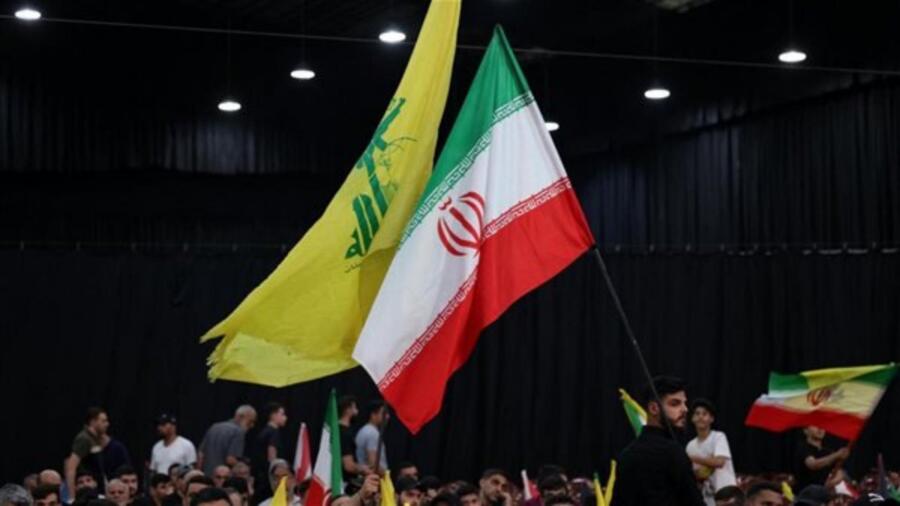
When the former Damascus regime fell, the old books of accounts between those who came to power and Hezbollah in Lebanon were not completely closed. Rather, the conflict was managed in a way that prevented reckless steps, and the borders turned into soft areas where security messages were transmitted.
In the weeks following the fall of the former regime, the border region between Lebanon and Syria witnessed intermittent tensions, sporadic security incidents, and Lebanese mobilization seeking to contain the repercussions of change in Syria. During that period, the most prominent question revolved around the possibility of the relationship between the new government in Damascus and Hezbollah turning into a security confrontation. But what happened out of the limelight was different, as indirect communication took place, initially with Iraqi mediation, carrying mutual reassuring messages confirming the lack of desire for a clash and the lack of interest in opening a new front. At that time, Hezbollah’s decision was not to interfere in the ongoing events in Syria, while remaining wary of any Syrian movements on the border.
Later, Ankara entered the line, and Türkiye became an undeclared sponsor of regulating the relationship between the party and the new Syrian administration, and received many delegates in the context of establishing political and security rules of engagement that would prevent an explosion.
Ostensibly, the stability of the borders was a common interest, but the complexities of the Syrian scene were imposing themselves beneath the surface, chief among them the issue of foreign fighters, which raises concern today.
According to informed sources, the new Syrian administration found itself facing a dilemma represented by those who came from distant regions to fight under extremist Islamic banners. After the fall of the regime, Syria was subjected to internal and international pressure to end the file of foreign fighters, to remove manifestations of terrorism from the new regime, and because of the difficulty of integrating them into a Syrian society that did not initially accept their presence.
The sources reveal that one of the “solutions” was to transfer a portion of them to the border with Lebanon, and the justification was to keep them away from crowded cities, to suit the geographic and climatic nature of the borders with their countries of origin, their strength in fighting and to consider them a card of strength in confronting “Hezbollah,” and to keep them in a state of readiness in anticipation of changes in the scene with Lebanon and the party, given the presence of a part of them that carries ideological and political hostility to the party in Lebanon, and is considered to have a vendetta with it.
Until recently, there were no indications of a decision to use them against Lebanon. But the first month of this year carried worrying signs, represented by human reinforcements in the eastern region of the border, and the arrival of groups from Idlib, which are movements and reinforcements that have no clear official Syrian explanation. Follow-up sources do not confirm that there is an intention to escalate, but they talk about facts that cannot be ignored, and must be highlighted. The Lebanese Army leadership, which carefully monitors the borders, has not received satisfactory answers about the reasons for these reinforcements, while concern is rising in parallel with regional leaks about scenarios of American aggression against Iran, and the possibility of Israeli expansion towards Lebanon, which may make the Syrian border not far from it.
Here the sources ask: “Could the burden of foreign fighters in Syria be turned into a security export under the title of ‘fighting terrorism’ within Lebanese territory, especially after Syria joined the coalition to combat terrorism?”
In light of these new data, we must return to Turkey, which played the role of organizer of the relationship between the party and the Syrians, as it possesses keys of influence that cannot be ignored, as well as to the Kingdom of Saudi Arabia, which sponsored the issue of the borders and the Lebanese-Syrian relationship. The question today is: Are political channels still effective? Will the Lebanese government move in the direction of Ankara and Riyadh to request clarifications and guarantees about what is happening on the border before the matter suddenly turns into a clash, or something bigger?