:
Although months have passed since the ceasefire agreement, Israeli attacks continue, and in this context, repeated attempts appear to create internal chaos and provoke conflicts and divisions among members of society in Gaza. Observers believe that these efforts fall within the framework of a strategy aimed at weakening the home front and fragmenting popular support for the resistance, using complex political, security and media means that seek to destabilize and spread chaos in a way that serves the interests of the Israeli occupation.
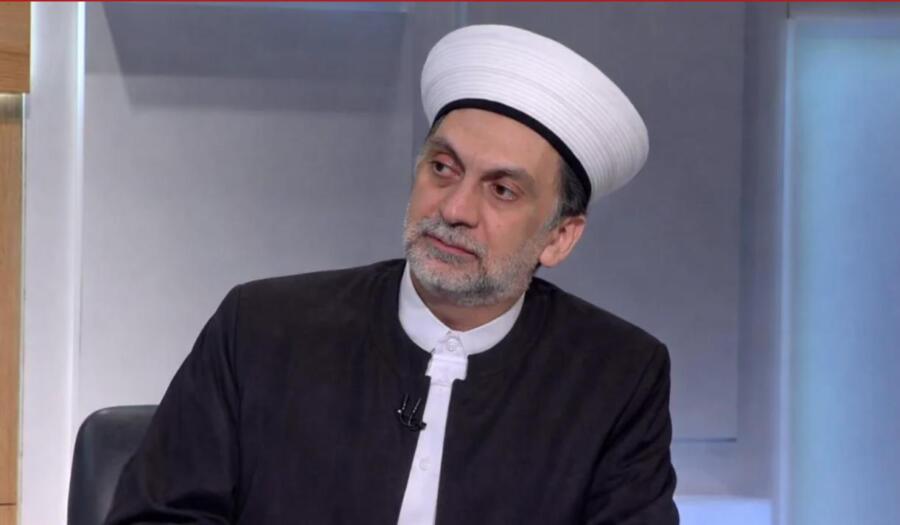
Mahmoud Taha, Hamas’s media relations official in Lebanon, explains that the internal situation in the Gaza Strip has been facing increasing and intertwined challenges since the beginning of the aggression in October 2023, due to ongoing Israeli efforts to change the internal reality of the Strip in a way that suits its security and political goals.
He points out that the first of these attempts was what is known as the “local alternative tribes” project, where Israel has sought, since late 2024, to communicate with some prominent figures in the tribes to assign them the task of distributing humanitarian aid away from the current administration, in an attempt to create a parallel or alternative authority within the Strip. But this project, according to this assessment, did not succeed in imposing a new reality, nor did it gain popular acceptance that would enable it to continue.
Taha explains that the second attempt was to target the humanitarian aid system. Local members of the police and internal security, who were protecting relief convoys, were subjected to direct attacks, which weakened the protection system and opened the way for the spread of organized gangs to steal aid. This development is seen as part of a broader effort to spread chaos and insecurity, and make residents feel the need for an outside party to manage the affairs of the sector.
In the same context, he explains that the third attempt was to intensify psychological warfare and media incitement, through the media, social media accounts, and civilian figures, to spread rumors and incite public opinion against the current administration in Gaza. However, according to this proposal, these efforts did not achieve their goals, due to the high level of societal awareness and the adherence of a large segment of Palestinians to their national choices.
On the political level, Taha points out that the meeting held in Washington on the 19th of this month of what is known as the “Peace Council” did not produce tangible practical results. As Israel still controls more than half of the area of the Gaza Strip, it has not withdrawn from the areas it reoccupied, and the National Transitional Committee agreed upon by all Palestinian factions has not been enabled to assume its duties in managing the Strip.
Taha adds that, according to what was announced, the body that is supposed to take over the administration of the Gaza Strip is the National Committee that was formed with the approval of the various factions, headed by Dr. Ali Shaath. This committee was supposed to begin its duties in conjunction with the withdrawal of Israeli forces from the areas they reoccupied following the aggression of October 8, 2023, in addition to opening the crossings, bringing in basic needs, and initiating the reconstruction process. However, failure to implement these provisions prevented the committee from actually starting its work.
On the other hand, he believes that the sector is witnessing extremely difficult humanitarian conditions, in light of the continued siege and escalation, power outages, and the exacerbation of the suffering of thousands of displaced people living in dilapidated tents affected by the harsh weather conditions of cold and wind, and the restrictions imposed on the entry of basic supplies hinder the arrival of food, medical and relief supplies, which further exacerbates the crisis as the holy month of Ramadan approaches, when the living burdens on the population double.
In light of these facts, Taha calls for rapid international action aimed at stopping the escalation and ensuring the implementation of any agreements reached, including opening the crossings, facilitating the entry of aid, and enabling the agreed-upon administrative body to carry out its tasks, which will contribute to alleviating the increasing human suffering in the Gaza Strip and creating the conditions for any future political path.