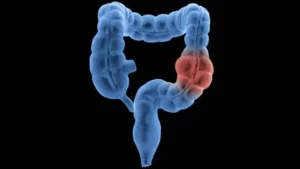
A recent study, published in the journal Nature Microbiology, showed that daily coffee consumption is associated with a significant increase in a certain type of intestinal bacteria in humans, which sheds new light on coffee as a factor that selectively influences the composition of the intestinal microbiome.
By examining stool samples from 22,867 adults, researchers discovered a consistent relationship between coffee consumption and a type of bacteria called Lawsonibacter asaccharolyticus. This study was supervised by Mingyang Song of the Harvard School of Public Health, who noted that levels of these bacteria increased by about 8 times in people who regularly drink coffee compared to others.
Interestingly, decaf coffee showed the same effect, suggesting that caffeine is not the only factor responsible. The biggest difference was observed between people who did not drink coffee at all and those who drank it in moderation.
Coffee and gut bacteria
In laboratory experiments, adding coffee, whether instant or prepared in the traditional way, accelerated the growth of these bacteria, strengthening the hypothesis of a direct effect. Moderate amounts of coffee helped bacteria grow more than very large amounts, while coffee slowed the growth of other types of bacteria.
Analysis of blood samples from 438 people also revealed chemical compounds associated with coffee that appear in conjunction with the presence of these bacteria, suggesting that they may play a role in metabolizing some components of coffee within the body.
Although previous studies have linked coffee to lower death rates, this study did not directly test health outcomes. Therefore, bacteria remain a strong marker of coffee consumption habit.