November 15, 2026

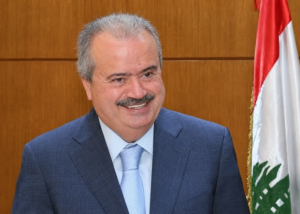
The former Israeli army spokesman, Avichay Adraee, took advantage of statements by the Lebanese writer and politician Charles Jabbour in which he expressed his desire to appoint him as Lebanon’s ambassador to Israel, presenting them as an indication of a Lebanese desire for peace, offering him help in learning the Hebrew language.
Jabour had made these statements during his hosting of the “Time Has Come” program on MTV, presented by journalist Marcel Ghanem, confirming that he had submitted this request to the Presidency of the Republic, and had also consulted the Minister of Foreign Affairs regarding it.
In his comment on the episode, Adraee cited verses by the Kuwaiti poet Souad Al-Sabah and a song by the Lebanese artist Majida Al-Roumi that address the topic of friendship. He described Jabour’s statements as “a pinnacle of courage” that breaks prevailing patterns, considering that they reflect a true desire to establish peace in a way that serves the interests of the Lebanese and Israeli peoples. He also spoke about the existence of an “intellectual uprising” in Lebanon, noting that the Lebanese people, whom he described as “always a prisoner of wars that serve the interests of others,” began to express different trends, before concluding by welcoming Jabour’s desire and willingness to provide assistance in learning Hebrew.
In an analytical reading of the situation, Adraee went beyond an individual comment, transforming a personal position into a broader conclusion that expresses an alleged Lebanese popular desire for peace, describing the step as an “intellectual uprising,” which observers considered huge in terms of the implications of the situation and an use of it within the Israeli political narrative.
On the other hand, Jabour’s statement went beyond expressing personal diplomatic ambition to spark a heated political debate about the nature of future relations with Israel. However, describing this step as a “message of peace” by the Israeli side does not give it a comprehensive national character in Lebanon, just as Adraee’s comment does not represent conclusive evidence of a radical shift in the general Lebanese popular mood.