November 13, 2026

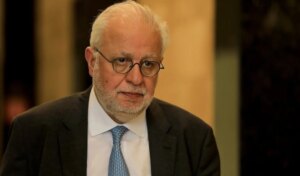
Antalya, Turkey – Minister of the Environment, Dr. Tamara El-Zein, warned against the international community’s approach to the environmental and climate repercussions of wars, stressing that climate justice loses its meaning when affected countries are left alone to face the cost of destruction, recovery, and climate change.
In her speech during her participation in the Climate Conference of the Parties (COP31) held in the Turkish city of Antalya, Al-Zein criticized the subordination of climate negotiations to the self-interests of countries at the expense of collective responsibility, without adequate consideration of countries whose resources are depleted by conflicts. She explained that these countries face accumulated burdens that include the deterioration of environmental systems, the destruction of infrastructure, and the loss of resources, in conjunction with the increasing need for climate adaptation. Al-Zein called for translating the challenges into financing priorities and support mechanisms that differentiate between countries that possess finance and technology and others that are struggling to rebuild the necessities of life, stressing that international solidarity is measured by the extent to which funding is available and transformed into implementable projects, especially in Lebanon and areas affected by the war.
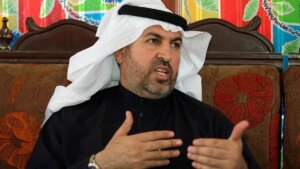
Within the framework of joint work to translate these priorities, the Minister of Environment held a meeting with the Assistant Secretary-General of the United Nations and the Director of the Regional Office for Arab States at the United Nations Development Programme, Dr. Abdullah Al-Dardari. The two sides discussed ways to move from climate planning to implementation, activating the “Lebanese Green Investment Facility,” in addition to strengthening the institutional capabilities of the Ministry of Environment and Municipalities, supporting environmental and climate education in schools, and developing green and sustainable reconstruction initiatives in the affected areas in southern Lebanon to link addressing war damage to confronting climate risks.
In a related development, Al-Dardari congratulated Lebanon for joining the “BRIDGE” initiative, which was launched during the (COP31) conference under Turkish presidential sponsorship, as Lebanon is the only Arab country among the first participating group, which provides new opportunities to mobilize financing and accelerate climate commitments. The two sides agreed to prepare to launch concrete cooperation initiatives that will strengthen the existing partnership between the Ministry and the United Nations Development Programme.
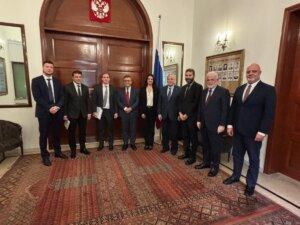
At the level of negotiations, Al-Zein held a coordination meeting with the Lebanese negotiating delegation, during which it reviewed developments related to climate financing, adaptation, carbon markets, and transparency. She stressed the importance of unifying negotiating positions based on Lebanon’s priorities and needs, and facilitating access to financing, stressing that effective attendance requires combining scientific accuracy and clarity of the political position to defend Lebanon’s right to support and highlight the environmental burdens of wars. She considered that the participation of the Lebanese technical team represented an opportunity to defend national interests and strengthen international partnerships to transform climate commitments into concrete projects that support sustainable recovery.