November 13, 2026

A four-day round of intensive negotiations between the Lebanese side and the International Monetary Fund delegation was concluded in Beirut, and resulted in positive indicators, a convergence of views, and agreement on most points of disagreement between the concerned Lebanese parties, despite the fact that no initial agreement has been reached with the Fund yet.
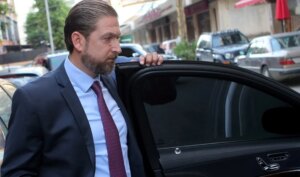
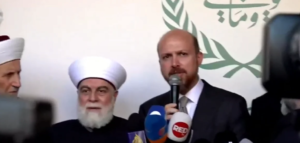
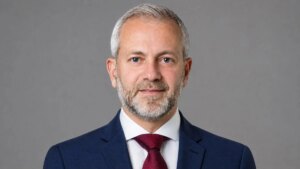
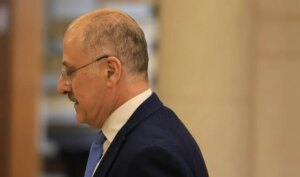
The discussions on the Lebanese side were chaired by Minister of Finance Yassin Jaber and Minister of Economy Amer Al-Bassat, in the presence of the Governor of the Bank of Lebanon, Karim Said, where the discussions focused on the financial gap law and restructuring the banking sector, opening the door to preliminary understandings related to the distribution of losses, the fate of deposits, and options for securing financial guarantees.
Regarding the distribution of financial burdens estimated at approximately 50 billion dollars, the initial understandings indicate that the Lebanese state will bear about 10 billion dollars, and the banks about an additional 10 billion dollars, while the largest burden, estimated at about 30 billion dollars, falls on the Bank of Lebanon, while stressing that these numbers do not mean concluding a final agreement.
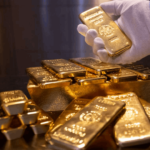
Regarding the gold reserve file, the sources explained that the option of selling or disposing of gold is not currently on the table because it requires the approval of the House of Representatives in accordance with the Monetary and Credit Law, while the discussion is focused on other alternatives that include using gold as collateral for the bonds to be issued, without deciding whether a quarter or all of the reserve will be allocated for this purpose.
With these understandings paving the way for completing the technical and legal details in the next stage, the sources expected that March of next year will be a turning point for reaching an official agreement with the International Monetary Fund, which will contribute to the return of investments and restore the international community’s confidence in the Lebanese economy.