November 12, 2026

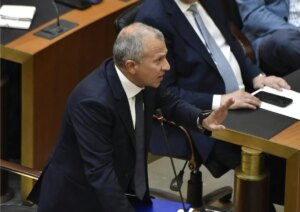
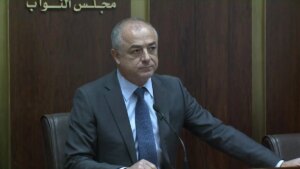
The project to build a new international football stadium in Lebanon has reignited the debate on sports spending priorities, after MP Nabil Badr joined the positions launched by the former head of the Progressive Socialist Party, Walid Jumblatt, objecting together to allocating tens of millions of dollars to establish a new stadium in the town of Damour, amid urgent demands to rehabilitate and modernize existing facilities.
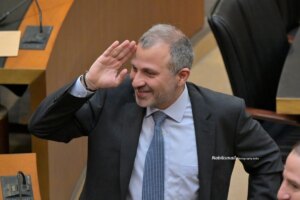
In a post on the “X” platform on Thursday, November 12, 2026, MP Nabil Badr praised Walid Jumblatt’s interest in the sports sector, supporting his proposal by saying: “Despite our preoccupation with politics and the dangers of this stage, it remains remarkable that Walid Jumblatt does not ignore the concerns of Lebanese sports, so you have my morals, Beck, because you are right!” Badr addressed the feasibility of the project, asking why millions of dollars were spent on a new stadium in Damour – which is only a few kilometers away from Sidon Stadium – instead of directing part of this money to modernize major stadiums and club facilities to host national team matches and official tournaments.
Badr stressed the necessity of adopting a sustainable sports vision that gives priority to the current infrastructure and ends the situation of “begging stadiums from our Arab brothers or traveling to the ends of the earth, all the way to Bhutan, to play matches,” considering that Lebanon needs actions and a vision that respects its sporting history, not projects that are just on paper.
Badr’s position comes as an activation of the discussion that Walid Jumblatt opened on the same day on the same platform, when he criticized the directions of the International Federation (FIFA) and the Lebanese Football Association towards building a new international stadium, asking about the reasons for ruling out the step of restoring the historic Camille Chamoun Sports City and modernizing it to preserve its heritage.
In the same context, press reports show that the upcoming international stadium project – supported by FIFA, at an estimated cost of about $45 million and with a capacity of up to 25,000 spectators, in addition to a team training center and the federation’s headquarters – is still in the preparation stage and its location has not been finally decided between the Karantina and Damour regions, which are considered an advanced option, at a time when implementation has not yet begun.
This proposal is not new on the agenda of Representative Badr, who had previously called for, in 2023, the restoration and rehabilitation of Beirut Municipal Stadium to transform it into a sporting, social and cultural edifice that serves the Lebanese. His last position comes once again to emphasize the necessity of resolving the ongoing debate between building new, expensive facilities, or saving existing stadiums to relieve the suffering of clubs and national teams.