November 9, 2026

The mayors of five Christian border villages in southern Lebanon (Rmeish, Ain Ebel, Dibal, Al-Quzah, and Alma Al-Shaab) sent an urgent appeal to the Council of Catholic Patriarchs and Bishops meeting in Bkerke in its 59th regular session. The mayors warned that the continued harsh security and living conditions may turn temporary displacement into a permanent uprooting of residents from their lands, calling for church and international action to ensure the survival of the people and the return of the displaced in light of the fears associated with the end of the UNIFIL mission.
The appeal, which was reported by the National News Agency, explained that the residents of these villages live between the anxiety of staying and the fear of leaving, and they face serious challenges in securing food, medicine, education, work, treatment, and freedom of movement. The statement referred to the fall of martyrs and wounded in Alma al-Shaab, Dibal, Ain Ebel, Qalaia and others, stressing that preserving the historic Christian presence in the south is a national responsibility to protect Lebanon’s diversity and unity. The people also stressed that they are advocates of peace demanding their natural right to live in safety under the roof of the state.
The appeal included a package of urgent demands, most notably:
- Freedom of movement: Providing safe roads for the people of Rmeish, Ain Ebel, and Dibal to reach hospitals and schools, and organizing weekly visits (for two or three hours) to the people of Alma Shaab to inspect their property in coordination with the relevant authorities and Caritas Lebanon.
- Displacement file: Ensuring the safe and dignified return of the displaced, and providing decent housing, rental allowances, and living assistance to prevent the displacement from continuing, with special attention to the people of Yaron, Al-Qawzah, and Alma Al-Shaab.
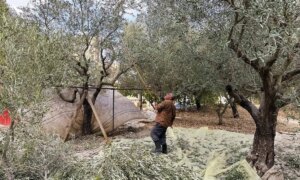
- Living and economic sector: Supporting resilience by providing water, electricity, fuel, and medicines, supporting schools and universities, and supporting farmers and small business owners.
- Compensation and reconstruction: Conduct a comprehensive survey of the damages, and establish a fair mechanism to compensate the families of the martyrs, the wounded, and the owners of destroyed homes and farms.
- Health sector: Completing the implementation of the agreement to include the health care center at Ain Ebel Hospital to the national network, activating the emergency department and operating rooms, and supporting the “Martyr General François Al-Hajj Center” in Rmeish and the Civil Defense Center.
- Heritage protection: Maintaining churches and religious and heritage sites, especially the Al-Qawzah Church.
- Formation of a follow-up committee: Establishing an effective committee in coordination with the Apostolic Nuncio, Bishop Paolo Borgia, the dioceses, and the Caritas Association, to follow up on humanitarian and health priorities and coordinate aid.
- Security file: A serious warning against any security vacuum that may result from the end of the UNIFIL mission, and a demand from the international community and the Lebanese state for clear arrangements to protect civilians.
In conclusion, the mayors called on the Council of Patriarchs and Bishops to adopt this call, and to include in its final statement a clear position affirming the right of the people to stay and return, concluding their message by saying: “Help us so that the bells keep ringing, the churches are full of believers, the homes are illuminated by their people, and the earth is alive with its people.”
The appeal was appended with the signatures of: Mayor of Rmeish Hanna Al-Amil, Mayor of Dabil Akl Naddaf, Mayor of Ain Ebel Ayoub Khraish, Mayor of Alma Al-Shaab Municipality Shadi Sabah, and Mayor of Al-Qawzah Charbel Rizk.