October 8, 2026

The High Representative of the European Union for Foreign Affairs and Security Policy and Vice-President of the European Commission, Kaya Kallas, will arrive in Lebanon on a two-day official visit on October 7 and 8, which carries political, security and development dimensions. The visit includes a series of meetings with senior Lebanese officials, as well as field activities to support the army and inspect the port of Beirut.
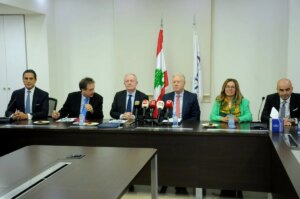
The European External Action Service announced that the Callas program begins today, Wednesday, with a meeting with the Minister of Social Affairs, Haneen Al-Sayed, and will be completed tomorrow, Thursday, with high-level political meetings that include the President of the Republic, Joseph Aoun, the Prime Minister, Nawaf Salam, and the Speaker of the House of Representatives, Nabih Berri, in addition to the Minister of Foreign Affairs and Emigrants, Youssef Raji.
A joint press conference between Callas and Minister Raji is scheduled to be held at 12:45 pm Beirut time, and will be broadcast through European Union media channels.
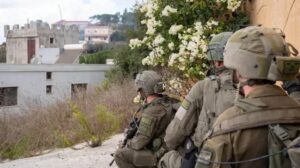
On the field and security side of the visit, the European official participates in the ceremony of handing over military equipment within the “European Peace Facility,” within the framework of the ongoing support programs that the Union provides to Lebanon. She also accompanied the Minister of Public Works and Transport, Fayez Rasamny, on an inspection tour of the Beirut Port, highlighting the infrastructure and the vital role of the port in stimulating the country’s economic and commercial activity.
Callas’s visit is of great importance as it comes at a delicate stage that Lebanon is going through, amid continuing political, security and economic challenges, and in light of the state’s efforts to strengthen the presence of its institutions and attract the international support necessary to restore stability and rebuild the economy. The European Union is a major partner for Lebanon in the financial, humanitarian and security fields, and this visit is considered a milestone for reaffirming the European commitment to supporting the state and its institutions in the next stage.