October 7, 2026

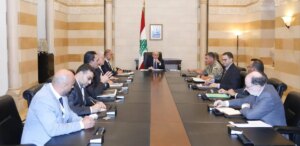
The Lebanese Association for Democratic Elections (LADI) returned the election law file to the forefront of the political debate, expressing its welcome to the resumption of its meetings by the parliamentary subcommittee charged with studying electoral law proposals, and stressing that the required reforms “cannot tolerate further postponement.”
The association stressed that reopening the file does not gain importance unless it is accompanied by a serious will to resolve the expected reforms and approve them within a reasonable period that precedes any electoral entitlement, which allows actual preparation for their implementation and prevents the discussion from turning into a “new round of procrastination and political bidding” or postponing the reforms until the election date approaches to put them in the “political bazaar” under time pressure.
“LADI” identified the most important necessary reforms in adopting the “Megacentre” and ensuring equality between resident and non-resident voters by enabling expatriates to vote for the 128 representatives according to their electoral restrictions instead of allocating 6 additional seats to them. It also called for strengthening the powers of the Election Supervisory Authority, improving voting day procedures, and taking serious measures to enhance women’s representation and political participation.
Regarding the possibility of postponing the elections, the association stressed that any postponement imposed by exceptional circumstances that prevent them from being held must be limited exclusively to the period required by those circumstances, refusing to adopt May 2028 as a fixed date for the postponed elections, and demanding that they be held as soon as the reasons for postponement disappear and the necessary conditions are met, even if that is before the aforementioned date.
Ladi concluded by emphasizing the need to decide on reforms within a period that allows for serious preparation for their implementation in order to avoid repeating the same discussions at every opportunity, declaring that it will keep pace with the work of the parliamentary committee and legislative discussions within the framework of its oversight role aimed at pushing towards reforming the electoral process and enhancing its integrity.