October 5, 2026

The G7 countries agreed to coordinate joint steps to restore full freedom of navigation in the Strait of Hormuz, in parallel with a plan to pump 100 million barrels of crude oil and diesel from their reserves through the International Energy Agency over a period of four months, in an effort to contain the shock to energy markets and limit the rapid rise in fuel prices resulting from the war with Iran and the disturbances witnessed in shipping traffic in one of the most important oil corridors in the world.
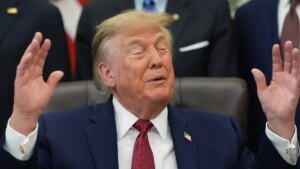
French President Emmanuel Macron announced, on Friday, October 2, after chairing talks to coordinate action on fuel prices, that the plan calls for the immediate start of releasing a total of up to 100 million barrels of diesel and crude oil over a period of four months. He explained that the countries of the group also agreed to refrain from imposing restrictions or bans on intra-regional exports, noting that US President Donald Trump expressed clear support for this approach.
Macron’s announcement came after Trump’s statements on the “Truth Social” platform, in which he confirmed that European countries had agreed to release a “huge amount” of diesel fuel stocks immediately. These measures represent a dual move through which the major industrial powers aim to limit the repercussions of supply disruptions on the markets, and to prevent the restrictions imposed on the movement of ships in the Strait of Hormuz from turning into a long-term crisis in global energy chains.
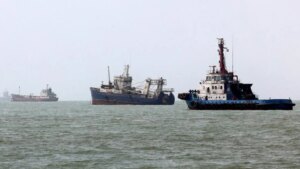
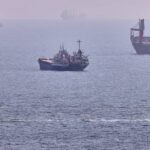
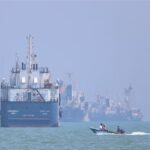
The issue of securing navigation becomes more sensitive in light of the continuing risks facing shipping traffic, as the British Maritime Trade Operations Authority announced, on October 2, that it had received a report indicating that a tanker had been hit by an unknown projectile while leaving the region. The Strait of Hormuz is a vital corridor through which huge quantities of Gulf oil and gas exports pass, making any disturbance in it capable of raising transportation and insurance costs and putting pressure on prices.
Through these accelerated measures, the G7 countries are seeking to prevent the Hormuz crisis from escalating into a comprehensive global energy crisis, amid anticipation that the coming months will test the ability of pumping reserves and maritime coordination to restore stability to markets and international shipping routes.