October 4, 2026

The Kingdom of Saudi Arabia is planning to launch a large-scale military operation against the Houthi group in Yemen, with the aim of regaining the areas they recently controlled in the Bab al-Mandab Strait. According to a report prepared by journalists Taimur Azhari and Mubashir Bukhari for Reuters, and based on six informed sources, Riyadh is considering two possible plans: either carrying out a limited attack focused on the coast, or a broader operation that includes simultaneous fronts.
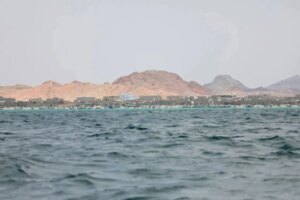
The report, based on Gulf and Yemeni officials and Western diplomats, explained that the primary goal of the operation is to undermine the rapid gains achieved by the Houthis last September and their advance to control the Bab al-Mandab Strait, which is a vital corridor linking the Mediterranean Sea to Asia, and whose importance has increased this year to become an alternative to the Strait of Hormuz. Riyadh has concluded that it is impossible to enter into new peace negotiations with the Houthis as long as they control this strategic strait, which gives them a global pressure card.
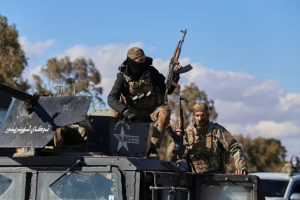
The operation will be led on the ground by Yemeni forces under Saudi supervision and supported by Saudi air strikes, with the possibility of mobilizing more than 100,000 Yemeni soldiers according to the size of the plan that will be adopted. The sources did not specify a definitive date for the launch of operations, indicating estimates that varied between a week or postponement until after the US midterm elections in early November.
In terms of external support, the United States is providing military advisors and intelligence information to support Saudi air strikes, in light of US President Donald Trump’s rejection of Saudi Crown Prince Mohammed bin Salman’s requests for direct military intervention. In September, Pakistan also sent four cargo planes to Aden carrying air defense systems, artillery, and drones, in addition to deploying military advisors, and deploying between 30,000 to 40,000 soldiers inside Saudi territory to protect the borders, without a decision to involve Pakistani ground forces inside Yemen. For its part, Türkiye deployed drones over Yemen, and France sent defensive systems and forces to protect the coastal city of Yanbu for fear of Houthi retaliatory attacks on oil installations.
The military preparations face prominent field challenges, represented by previous divisions between the various Yemeni factions trained and armed by the coalition, as well as warnings from experts such as Yemeni analyst Muhammad Al-Basha about the lack of organization and readiness of some anti-Houthi forces for long battles. In the same context, the former US ambassador to Saudi Arabia, Michael Ratney, suggested resorting to a limited operation limited to reclaiming the coast, while Saudi analyst Ali Al-Shihabi stressed that the success of the campaign depends entirely on the efficiency of the field performance of local forces.
So far, there has been no official comment from the Saudi and Yemeni governments, the Houthi group, the US army, or the Ministries of Defense in Pakistan and Turkey regarding what was contained in the report.