October 3, 2026

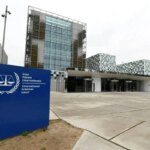
The International Criminal Court faces the risk of complete paralysis and “wiping out of existence,” amid anticipation of the imposition of expanded US sanctions that are not limited to the institution, but also affect companies and institutions cooperating with it, according to what the British newspaper “The Times” reported on Friday.
The newspaper explained that the proposed options may expose any company or supplier that deals with the court to the risk of sanctions, which raises deep fears among its supporters about ending its existence. In this context, a European diplomat – who preferred to remain anonymous – described the news related to the upcoming sanctions as “bad news” for all supporters of the court’s activity.
These developments come as an extension of what the Wall Street Journal published in September, based on US officials and documents, regarding the readiness of the administration of President Donald Trump to impose wide-ranging sanctions that greatly restrict the work of the court, specifically by preventing it from conducting transactions in US dollars.
In an early indication of the repercussions of these threats, the Financial Times reported on Thursday that the court had terminated its contract with the health insurance company AXA to protect itself from penalties. A court spokesman explained that the termination of the relationship was consensual and that a new, undisclosed provider would be relied upon, while AXA attributed the decision to the complexity and sensitivity of the file in light of the risks of cross-border application of American laws.
In his speech before the United Nations General Assembly, US President Donald Trump called on all member states to withdraw from the court, describing it as “evil” and a “rogue institution.”
For his part, the court’s chief defense lawyer, Gert-Jan Alexander Knobs, warned in statements to RIA Novosti that including the court on the US sanctions list would be enough to paralyze all ongoing judicial procedures before it.
It is noteworthy that the United States had imposed, during the year 2025, personal sanctions targeting a number of court officials, including nine judges, two deputy public prosecutors, and the suspended public prosecutor Karim Khan, in addition to one employee in the prosecutor’s office.
In response, last June, Canadian judge Kimberly Prost and her colleagues Rene Alabini-Ganso and Solome Pallongi Bosa filed a lawsuit in a federal court in New York against President Trump and officials in his administration, considering these measures illegal.