Smartphone cameras often reveal subtle details that the human eye cannot detect, especially in low-light conditions. This superiority is not due to “super” capabilities, but rather to the physical mechanism of the sensors and advanced image processing techniques.
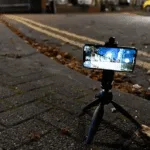
In low-light environments, cameras capture additional details by extending exposure times and increasing sensor sensitivity. Moreover, modern phones rely on computational photography algorithms, which combine multiple shots and process them in real time to produce an image that is extremely clear and bright compared to what the real scene perceives.
The ability of some specialized cameras is not limited to the visible light range only, but also extends to capturing infrared rays. Thermal cameras employ this technology to show variations in the temperatures of objects, while night vision systems rely on near-infrared rays to reveal details hidden from normal human vision.
On the other hand, technical data confirms that phone cameras do not have the ability to visually penetrate walls or solid objects. Sensors are governed by strict physical and technical limits, and imaging is impossible in the complete absence of detectable light or radiation.
The noticeable contrast between the live scene and the image displayed on the screen is due to the extensive digital processing; The software takes over the tasks of improving lighting levels, suppressing noise, merging frames, and highlighting hidden details, leading to a final result that exceeds direct visual reality.