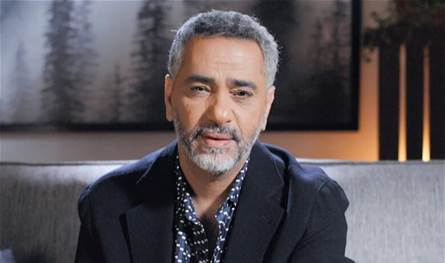
“The Nida of the Nation” wrote: Fadel Shaker faces three absence rulings issued by the military court, the first in 2016 and spent 5 years in prison on charges of “disturbing Lebanon’s prayers in a foreign country, violating the reputation of the army, stirring sectarian strife”, and the second in 2017, on charges of “interfering in terrorist acts and providing logistical services to extremist groups”, and he was sentenced to his hard work for 15 years; And the third in prison 7 years in 2020, on charges of “financing the Ahmed Al -Asir Group”;
She added: “Fadel Shaker, whose name is Fadl Abdel Rahman Shamr, will not be the only one who seeks to appear before the military court in order to drop the absence rulings issued against him. Evidence.
Other prisoners are seriously studying the request to re -try them to benefit from the emerging approach to the description of terrorist and extremist groups, as “Lebanon” tends to adopt a new approach to this description. The judiciary authorizes the release of a large number of Syrian prisoners. In parallel with this judicial “breakthrough”, a human rights reference confirmed that “the description of crimes and penalties is determined by Lebanese law and is implemented by the judiciary.” Any new solution or approach requires updating the legislation and laws in force, and the provisions cannot be issued based on the deliberations of political salons and media meetings.
Al -Nahar wrote: Talking about Fadel Shaker is no longer confined in a technical or humanitarian framework, but rather turned into a political -judicial issue that reflects the fragility of the Lebanese state and its interference. If a country is preoccupied with a country like a file of an artist who has been issued judicial rulings, in the midst of suffocating economic and political crises, this is an indication of a defect in the priorities of the state and its institutions. The return of Fadel Shaker’s name to the fore, opened the door for interpretations about the presence of efforts to re -polish his image in preparation for a judicial settlement. This atmosphere
It is feared that the image of Lebanon as the country of settlements will be re -organized, as the major files are managed by the balance of interests, not according to the provisions of the law.
What increases doubts is that some political forces did not hide their desire to close this file, either to satisfy a specific audience, or to open channels of communication with Arab parties concerned with the topic.
The case is in its essence, with a privilege. Judges were issued against Shaker, which included accusations related to the famous Abra events. Next, any research into a review of the ruling must pass through clear legal methods, not through pressure or deals.
On the other hand, talking about an Arab intervention to end the case of Fadel Shaker is no longer a rumor. Some of the Gulf capitals that have previous relations with the artist do not hide their desire to fold the page, whether by human or political motivation.
But this intervention, if true, raises a problem that affects Lebanese sovereignty. Is it reasonable that Lebanese justice be managed through external contacts? And if this is what is happening, then what remains from the prestige of the state?
The post The start of the trial of Fadel Shaker next week and three in absentia rulings that face it appeared first on 961 tobay Lebanon today.